Solution
Swing Gate Automation
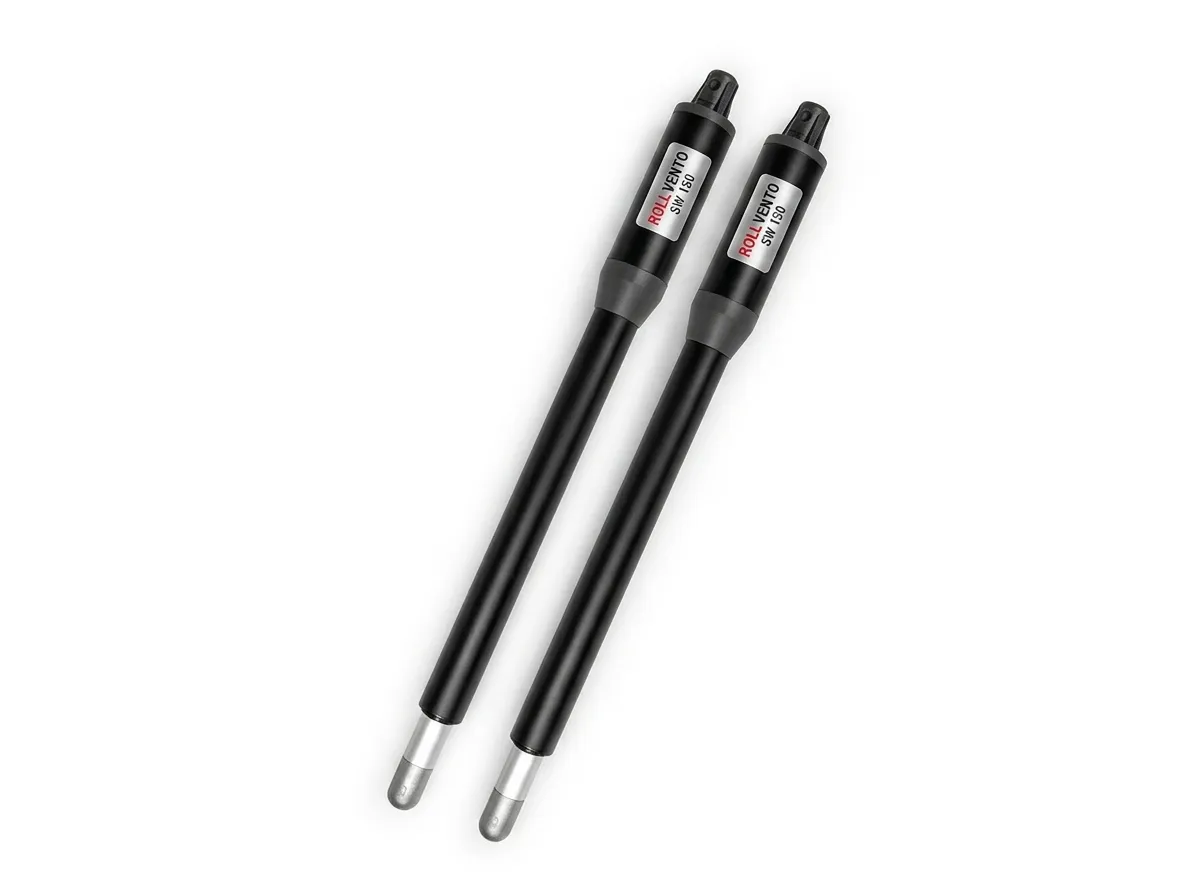
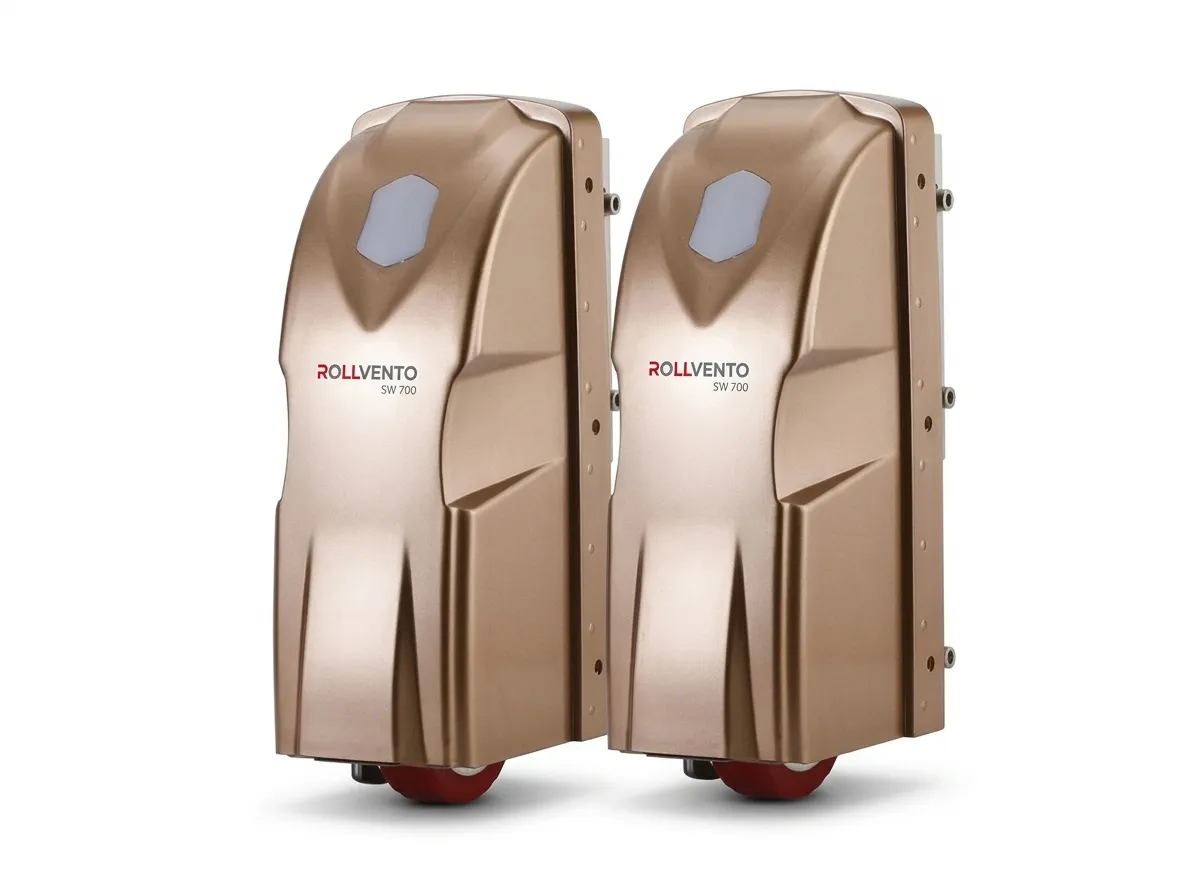
Swing gates suit level driveways and entrances without side space. Each leaf gets its own operator: a linear actuator for standard pillars, or an articulated/heavy operator for wide pillars and heavy leaves.
Requirements
What the automation has to do
- Open each leaf to 90° (or more) without binding on the pillar.
- Hold the gate closed against wind and pushing; add an electric lock for long leaves.
- Close leaves in the right order where they overlap.
- Reverse on obstruction and stop safely at the end of travel.
Before you enquire
What to measure on site
- Leaf weight (kg) and leaf length (m) — each leaf separately
- Pillar width and hinge set-back from the pillar face
- Opening direction (inward / outward) and available swing clearance
- Whether the leaves are solid (wind load) or open bars
- Power supply and distance from the board to each operator
Product fit
Rollvento series for this solution
Example models
Representative products
FAQ
Swing Gate Automation: common questions
Linear actuator or articulated arm?
Linear actuators (SW series) are compact and suit hinges close to the pillar face. If the hinge is set back on a wide pillar, the actuator cannot reach full stroke — use an articulated-arm or PK-series operator instead.
Can one operator drive a double gate?
No. Each leaf needs its own operator; a single control board runs both and sets the closing order and delay.
How can we help you?
Tell us what you need to automate — opening size, weight and site — and an engineer will recommend the right model and send a quotation.
- Call+91 99709 28681
- WhatsAppMessage us
- Emailinfo@rollvento.in
- HoursMon – Sat, 9:00 AM – 7:00 PM IST