Sliding Gate Automation
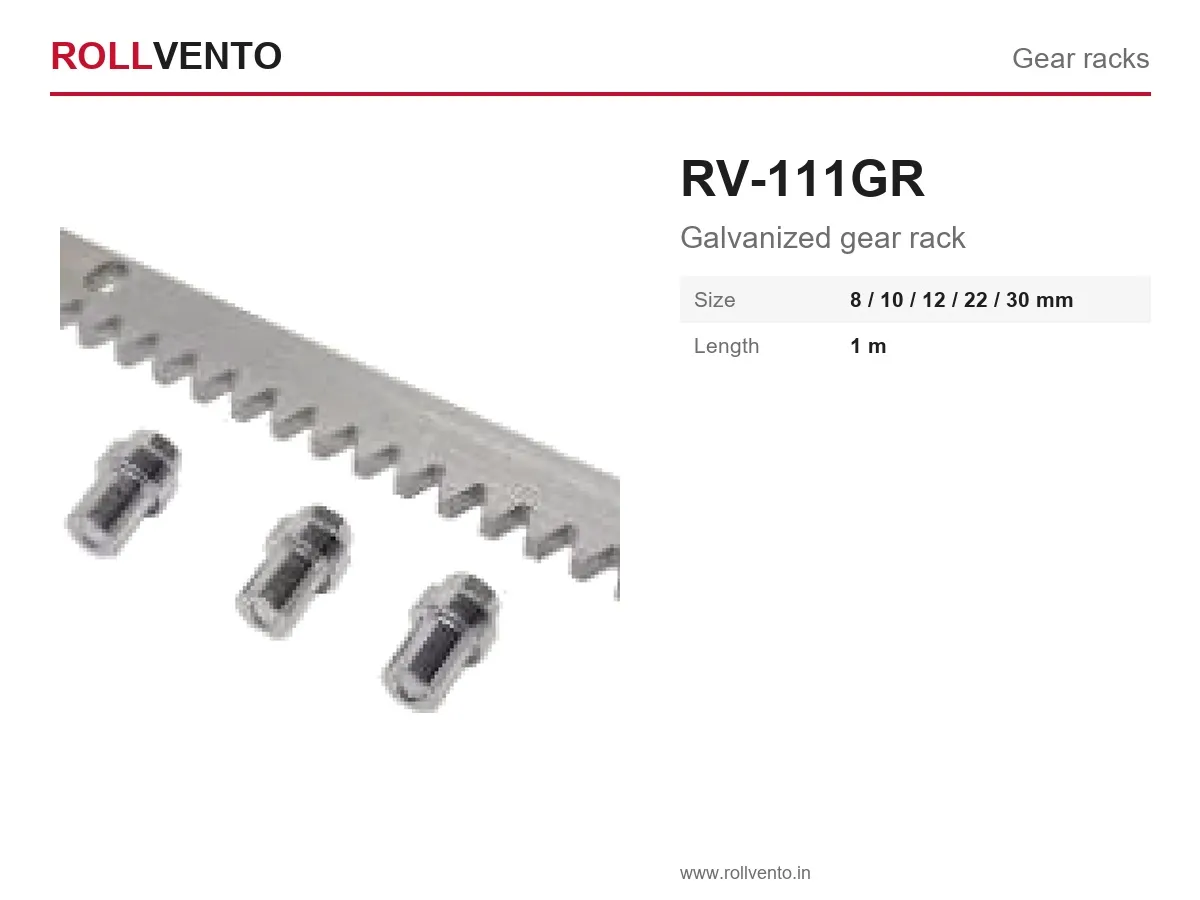
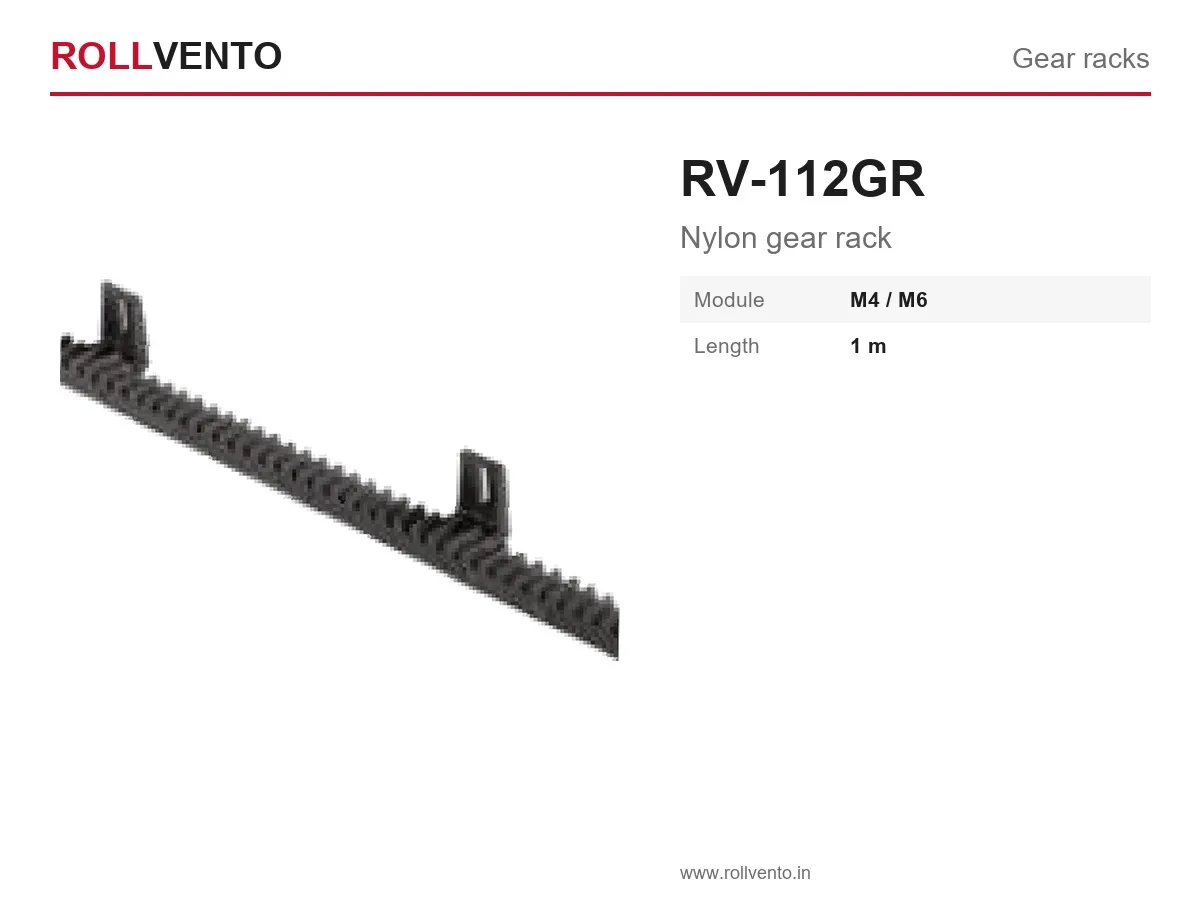
Sliding gates are the default choice where the driveway slopes, where there is no room for leaves to swing, or where the opening is wide. Automation adds a floor-mounted motor that drives the gate along a rack fixed to the leaf.
What the automation has to do
- Move the full gate weight reliably at every temperature and after years of dust and rain.
- Stop and reverse if it meets a person, vehicle or obstruction.
- Keep working through power cuts (battery backup) or be released by hand.
- Accept commands from remotes, keypads, GSM, apps or an access-control system.
What to measure on site
- Gate weight (kg) — weigh it or calculate from material and dimensions
- Gate length (m) and whether it is tracked or cantilever
- Power available at the gate (24 V DC via board, 220 V AC, 380 V AC)
- Daily cycles — residential (under 30), commercial (30–150), industrial (150+)
- Space beside the gate for the motor plinth and rack run-off
Rollvento series for this solution
Representative products
Sliding Gate Automation: common questions
Which Rollvento series should I use for a residential sliding gate?
For gates up to about 800 kg the SL500DC and SL800DC 24 V DC models are the usual choice: quiet, soft-start, obstacle-sensing and battery-backed. Choose the SL600AC or SL1000AC when only mains AC supply is wanted.
What about a heavy industrial sliding gate?
Use the SL1500AC or SL2000AC 220 V AC drives with galvanised steel Module 4 racks. For gates over 2000 kg or very long gates, contact engineering for a sizing review.
Do I need a track?
Tracked gates run on a ground rail and are simplest; cantilever gates hang from rollers on one side and need no rail across the driveway but are heavier for their size. Both are automated with the same motor type.
How can we help you?
Tell us what you need to automate — opening size, weight and site — and an engineer will recommend the right model and send a quotation.
- Call+91 99709 28681
- WhatsAppMessage us
- Emailinfo@rollvento.in
- HoursMon – Sat, 9:00 AM – 7:00 PM IST